A weekend is plenty of time to shop local, as long as you treat it like a short trip instead of a slow wander. Two or three hours, one neighborhood, and a number you have decided not to go over. That is the whole idea. The shoppers who get the most out of a small-business Saturday are rarely the ones with the biggest budgets; they are the ones who know which stalls sell out early, which shops post markdowns on Friday night, and when to walk away from a full-price display by the register.
Pick One Area, Not Five
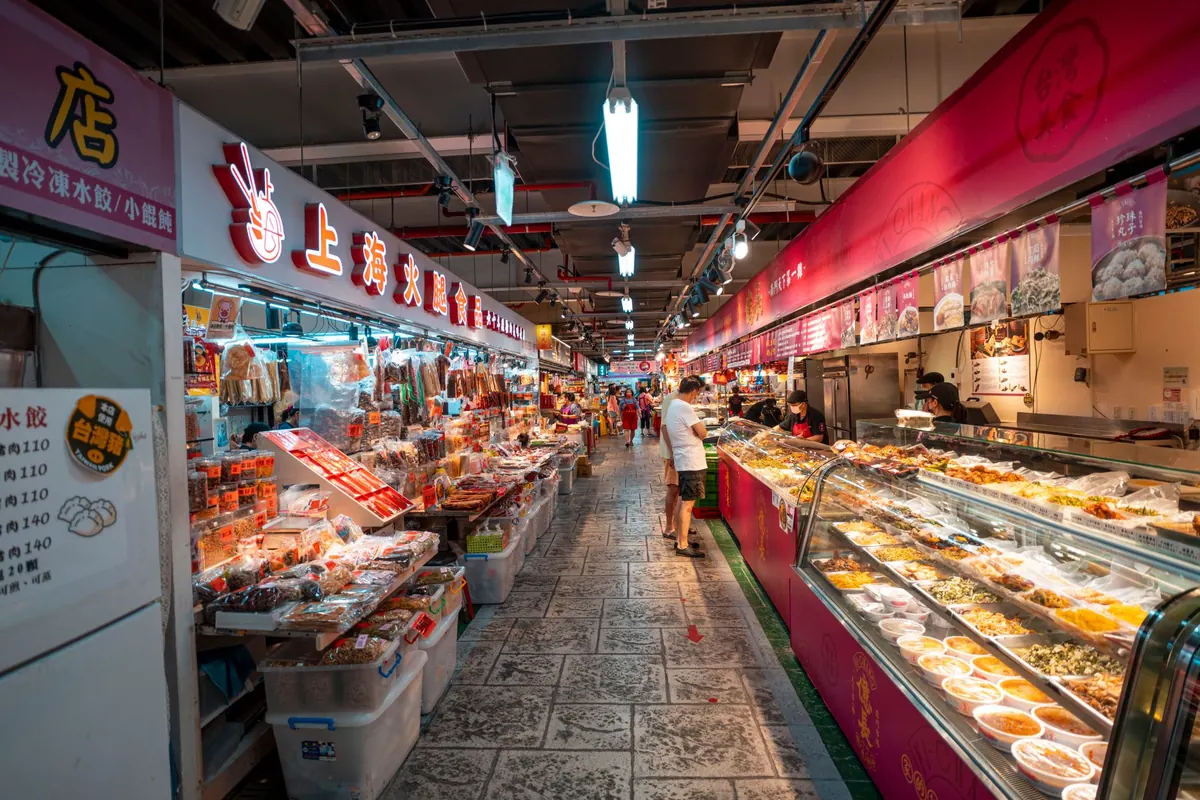
Most cities have a walkable strip: a main street, a market district, a cluster of shops around a square or a park. Choose one and stay in it. Driving across town to hit four scattered stores burns fuel, parking money and patience, and it turns a pleasant morning into an errand marathon.
Check hours before you go. Independent shops keep odd ones. Many close early on Sundays, some shut on Mondays instead, and a few open late on Friday evenings when the street is busiest. A five-minute look at a shop's website or a quick call saves a wasted trip.
Timing matters too. Saturday morning suits markets and bakeries. Sunday afternoon suits browsing, when staff have time to talk and the crowds have thinned. Give yourself a start time and a finish time, and put a coffee or a snack in the middle so nobody gets cranky and starts buying things to feel better.
The Weekend Rhythm of a Farmers Market
Markets have two useful windows, and they reward different goals.
Early, in the first 45 minutes, you get the best selection: the good tomatoes, the last of the sourdough, the stall that only brings a certain amount. If you need something specific for a recipe, this is your window.
Late, in the last half hour, vendors often prefer to sell what is left rather than pack it up. Prices can soften, boxes get bundled, and a friendly question goes a long way: "Would you do a better price if I take the rest?" Ask politely, accept a no, and you will still be welcome next week.
What to buy, what to skip
Buy what is in season and piled high. That is where the value is, because abundance pushes prices down. Skip the lone, expensive out-of-season item unless it is the reason you came.
Bring your own bags, a handful of small bills, and a cooler bag if you are buying cheese, meat or anything that will sit in the car. Many stalls still run cash-first, and card readers can fail in a field.
One honest note: the market is not automatically cheaper than the supermarket. Sometimes it is, sometimes it is not. You are paying for freshness, variety and the person who grew the thing. Decide in advance which of those you want this week.
Where Local Sales Actually Get Posted
You do not need to scroll for an hour to find out what is on. A short list of sources covers most of it:
- Shop newsletters. Sign up for three or four, not thirty. These usually announce sales a day before the window signs go up.
- Storefront signs and chalkboards. Still the most reliable source on the street.
- Neighborhood groups and local subreddits, where people post rummage sales, pop-ups and market days.
- Bulletin boards at coffee shops, libraries, laundromats and community centers.
- Free weekly papers and local event calendars, which often list weekend markets and street fairs.
- The person behind the counter. Asking "anything happening this weekend?" is a normal question, not a weird one.
Secondhand deserves its own mention. Consignment shops, church rummage sales, estate sales, flea markets and library book sales are where a small budget stretches furthest, especially for furniture, kitchenware, books and kids' clothes. Go early on the first day for the best items, or late on the last day when sellers are in a clearing-out mood.
A Budget That Survives the Weekend
Local shopping has a way of feeling virtuous and expensive at the same time. A few rules keep it honest:
- Set a number before you leave the house. Write it down.
- Take that amount in cash. When it is gone, you are done browsing for the day.
- Make a short list: one need, one gift, one treat. Three lines, not a page.
- Cap the treat separately so it never eats the grocery money.
- Walk the whole market or street before buying anything. Prices vary more than you expect, sometimes by a lot within twenty meters.
- Browse without buying. Nobody is offended by a thank-you and a walk-out.
Small purchases add up faster than big ones because they feel harmless. A jar here, a pastry there, and the cap is gone by noon.
If money is genuinely tight, or you are working through debt, treat a weekend shopping trip as a spending decision like any other and get advice from a qualified financial professional rather than relying on willpower alone.
How to Tell a Real Local Deal
Some discounts are real and some are decoration. Real ones tend to look like this: end-of-season clothing, bakery boxes at the end of the day, "seconds" fruit and vegetables sold cheap for jam or sauce, bundle pricing on soap or candles, and loyalty cards that give a genuine credit after several visits.
Be sceptical of anything marked down that you did not want an hour ago. A display by the register is not a deal; it is a trap with a nice label. For staples you buy often, check two or three prices around town once, and you will know for the rest of the year who is actually cheap and who is merely charming.
Turn One Saturday Into a Routine
Pick a route you like and repeat it once a month. Same market, same three shops, same coffee stop. Vendors start recognizing you, which is when the useful tips arrive: what is coming in next week, what is about to be marked down, which stall has the better eggs.
Keep a running list on your phone of things you actually need, so you buy them when you see them instead of making a special trip. Rotate in one new shop each time, chosen from a sign you noticed or a recommendation from a neighbor. Keep small bills in the car for parking meters and market stalls.
Shopping small does not need to be a holiday-season gesture or a splurge. A couple of hours, one neighborhood, a fixed amount of cash and a bit of patience will get you better food, better gifts and a street you know a little better than you did on Friday.
Photo: Jimmy Liao / Pexels